
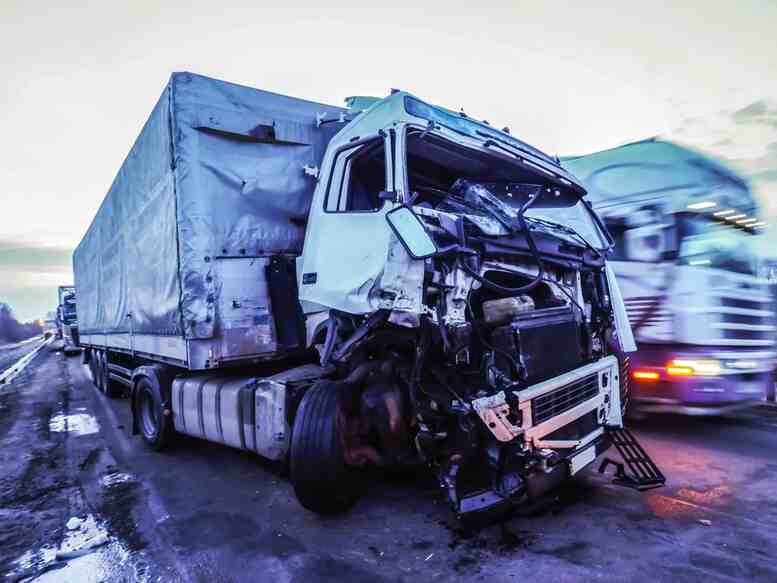
Truck crashes in Houston leave people shaken in ways that go beyond the scene itself. The size of an 18-wheeler is enough to scare anyone, and when the crash ties back to more than one company, it gets messy fast. Many victims don’t realize that a third-party contractor may share blame. And that detail can change the entire claim. Let’s break this down in a clear, simple way—because these cases already come with enough stress.
Why Third-Party Contractors Matter More Than You Think
In a truck case, you might think the driver and the trucking firm are the only ones involved. But many rigs on Houston roads depend on outside companies—maintenance shops, loading crews, freight brokers, or even a contractor hired to plan routes. These groups operate behind the scenes, yet their mistakes can lead to a crash. A loose strap on a load, a skipped brake check, or a rushed schedule can send a truck into chaos. When that happens, the contractor who caused the problem shouldn’t get a free pass. And your claim shouldn’t focus on one party when more than one played a part. Sometimes victims feel odd blaming a company they never met. But fault is fault. And the law lets you hold each responsible party accountable.
Sorting Out Liability Feels Like Untangling Wires
If you’ve ever tried to untangle a set of old wires in your garage, you get the idea. You don’t know which part leads where. You pull one string and another knot gets tighter. That’s how third-party truck claims feel at first.
There are a few common groups that often play a role:
- Maintenance contractors who skip needed repairs
- Loading companies that overload or misload cargo
- Parts manufacturers who make faulty equipment
- Freight brokers who pair unsafe drivers with loads
- Logistics contractors who set unsafe routes or tight deadlines
Each one may try to blame the others. No one wants to admit they caused the crash. When money is on the line, you’ll hear excuses faster than you hear apologies. And here’s the thing—Texas law lets you pursue each one if they played even a small part. That can mean more insurance coverage and a better chance of full recovery.
Evidence Makes or Breaks These Claims
People sometimes think these cases hinge on big dramatic moments. But it’s often small pieces of proof that change the direction. A simple repair log showing a skipped service. A loading slip revealing too much weight. A text from a broker pushing a driver to hurry.
In most cases, investigators look for:
- Black-box data
- Cargo logs
- Repair and inspection records
- Driver qualification files
- Company contracts
- Phone or dispatch records
You know what? Sometimes the hardest part is just getting these records. Contractors love to slow things down. Some even misplace documents when they fear blame coming their way. This is why acting quickly matters—the longer you wait, the harder it gets to collect solid proof.
Damages You Can Recover (And a Few People Forget About)
Truck accidents don’t just leave dents. They leave people dealing with pain, job loss, and quiet moments that feel different than before. The law lets you seek damages for the full picture, not just the basics.
That includes:
- Medical costs
- Lost wages
- Pain and mental stress
- Loss of enjoyment of life
- Future medical needs
- Loss of earning ability
- Property damage
Most people only think about the hospital bill and the car repair. But long-term care often costs more than early treatment. And even small injuries can shift someone’s daily life in ways they never thought about—things like lifting kids, jogging at Memorial Park, or even sitting at a desk without pain. These changes deserve fair compensation.
Why Houston Truck Cases Feel Different
Houston roads stay packed year-round. You’ve got heavy port traffic, refineries, construction zones, and long-haul carriers moving through the city every hour. This mix makes third-party involvement more common here than in many other places. Maintenance crews rush through repairs to get trucks back on the road. Freight brokers push high-pressure schedules. Cargo companies work at speed in the heat. It’s the kind of setting where mistakes happen fast. And when a crash follows, everyone involved starts pointing fingers. You’ll see contractors shifting blame quicker than a group of kids caught near a broken window. It’s frustrating. But it’s common.
What Victims Should Do After the Crash
Even when you feel shaken, simple steps can protect you later. Here’s the thing—you don’t need anything fancy, and you don’t need the “perfect” case from day one.
A few steps help:
- Get medical care right awayeven if pain feels mild
- Report the crashand keep a copy of the police report
- Take photos or videosof injuries, damage, and the scene
- Keep receipts and medical notesin one place
- Avoid chats with insurance adjustersfrom contractors—they’re not on your side
- Reach out to a lawyer earlyto preserve records
Most people underestimate how quickly contractors start their own defense. Some send investigators out the same day. They try to frame the story before you even leave the ER.
Why These Cases Often End Up in Disputes
Truck contractors don’t like paying claims. They argue over contracts. They claim they “didn’t touch” the part that failed. They blame the driver, the weather, or even a pothole before they look at their own mistakes.
A few common arguments they raise:
- “The trucker didn’t follow our instructions.”
- “The load was secure when it left our facility.”
- “Our repair shop followed standard steps.”
- “We weren’t responsible for the route.”
- “We had no duty to supervise the driver.”
These defenses sound neat on paper, but they fall apart once real evidence comes out.
How a Lawyer Helps When Contractors Play Hardball
Some victims try to handle claims on their own. There’s nothing wrong with wanting to save money. But these cases turn complicated fast.
A lawyer can help by:
- Identifying every responsible contractor
- Sending preservation letters to stop record destruction
- Finding expert witnesses
- Pulling contracts to see who had what duty
- Building timelines to show how each mistake added up
- Handling talks with multiple insurance groups
You might not need all of this, but you don’t want to lose a solid claim because a contractor hid behind a contract. And here’s an honest thought—most truck victims just want peace. They don’t want a battle with several insurance firms. Having someone else like Schechter, Shaffer & Harris, LLP – Accident & Injury Attorneys handle the chaos can feel like lifting a weight off your chest.
FAQs
- Can more than one contractor be blamed for a truck crash?
Yes. More than one contractor can share fault. A loading crew, repair team, and freight broker can all play a part. The law allows claims against each one if their actions contributed to the crash.
- Do I still have a case if I don’t know which contractor caused the problem?
Yes. You don’t need to know that part right away. Investigators and lawyers look into the records to figure out who did what.
- Can I still file a claim if the trucking company takes responsibility first?
You can. Even if the trucking firm admits fault, other contractors may still share blame. Filing against them helps cover full damages, especially if one policy isn’t enough.
- Will filing against a contractor make my case take longer?
It can add time because more parties get involved. But it may also increase your compensation and give a clearer picture of what happened.
- What if the contractor denies they worked on the truck?
That happens a lot. Records, logs, and contracts often tell the real story. A denial doesn’t end your claim.
Read More: arlo sim where is he now