The design of residential roofing in Canada’s Northwest Territories is strongly influenced by extreme cold, heavy snowfall, and long winter seasons. These conditions necessitate high energy efficiency, which is closely tied to heat retention, snow management, and structural durability.
Certain roof designs consistently perform better under these conditions because they can shed snow, reduce heat loss, and withstand harsh weather. Before you talk about your future house project with your contractors https://www.commercial-nds.com/our-services/general-contractor/, it’s a good idea to learn about the different roof types available for your home.
Steeply pitched gable roof
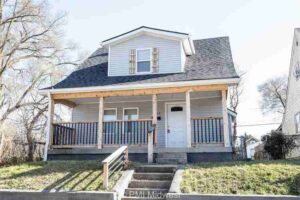
This design has two sloping sides that meet at a central ridge, forming a triangular shape. The steep angle is particularly beneficial in regions with heavy snowfall because it allows snow to slide off naturally. This reduces structural load and prevents ice accumulation. This minimizes long-term stress on the building and reduces maintenance requirements. From an energy efficiency perspective, the gable roof allows for good attic ventilation, which helps regulate indoor temperatures and reduce the risk of ice dams forming along the roof’s edges. When combined with proper insulation and air sealing, this design reliably performs in cold northern climates while maintaining interior comfort.
Hip roof
Unlike a gable roof, all sides of a hip roof slope downward toward the walls, creating a more compact and aerodynamic structure. This design provides excellent resistance to strong winds, which are prevalent in northern and Arctic regions. The inward-sloping surfaces distribute snow loads more evenly, reducing stress on any single point and lowering the risk of structural deformation. The reduced surface area exposed to cold winds improves energy efficiency by minimizing heat loss. Additionally, hip roofs tend to experience less uplift during storms. Their balanced structure provides greater stability and long-term durability, making them ideal for residential use in remote, harsh climates.
Insulated flat roof
Insulated flat or low-slope roofs are commonly found in modern or modular housing. Although traditional flat roofs are less common in regions with heavy snowfall, advanced versions incorporate high-performance insulation and durable membrane systems that significantly improve thermal efficiency and weather resistance. These roofs are usually designed with slight slopes to allow for controlled drainage and effective snowmelt management, which prevents water accumulation. They are highly energy efficient because thick, continuous layers of insulation can be installed directly above the living space, which reduces heat loss more effectively than some pitched designs do. Additionally, they can support green roof systems or solar panel installations, which enhances their sustainability and long-term energy performance in suitable applications.
Different groups address the challenges posed by the climate in the Northwest Territories in their own way:
- Steep gable roofs prioritize snow shedding
- Hip roofs focus on wind resistance and structural balance
- Insulated low-slope systems emphasize thermal performance and modern energy solutions.
Proper construction with high-quality insulation and ventilation systems is essential for maintaining energy efficiency and structural resilience for any roof type.
Read More: what happened to peta jensen