
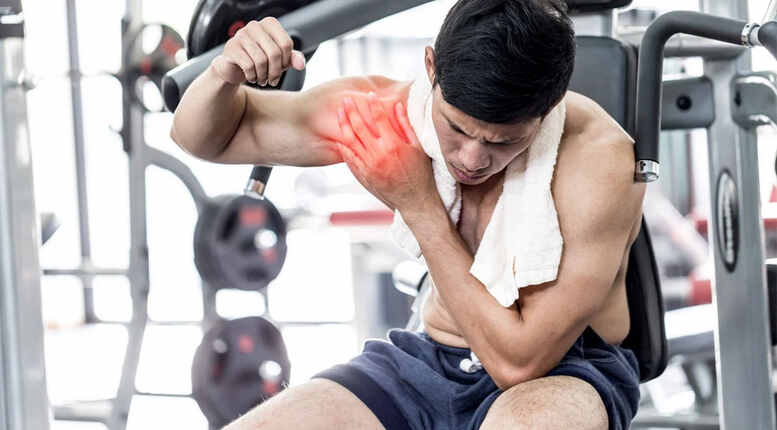
Staying safe at the gym is just as important as achieving your fitness goals. Incorrect use of gym equipment can lead to painful injuries, which may set back your progress or even cause long-term damage. Fortunately, following the right techniques can help you avoid these risks. This guide will provide practical tips on using gym machines and free weights safely, giving you the confidence to work out injury-free.
Why Proper Gym Equipment Use Matters
Using gym equipment correctly is more than a matter of good form. It affects your efficiency, effectiveness, and most importantly, your safety. Whether you’re targeting strength, endurance, or flexibility, proper use ensures you engage the right muscles and minimize unnecessary strain.
Common Risks of Improper Use
- Muscle Strains and Sprains: Incorrect movements can cause excessive stretching or tearing of muscles and ligaments.
- Joint Injuries: Overloading weights or using poor posture can lead to joint discomfort or damage over time.
- Falling or Dropping Weights: Lack of control or improper grip increases the chance of dropping equipment on yourself or others.
By following guidelines and using equipment thoughtfully, you reduce these risks while maximizing gains.
Preparing for a Safe Workout
Safety at the gym begins before you even touch the equipment. Preparation is key to ensuring your muscles, joints, and mind are ready.
Warm Up First
Jumping straight into intense exercise without warming up is a recipe for injury. Dedicate 5–10 minutes to light cardio, such as walking or cycling, to increase your heart rate and loosen up your muscles. Dynamic stretches that mimic workout movements are also great for flexibility and range of motion.
Dress Appropriately
Wear clothing that allows for movement and invest in well-fitting athletic shoes designed for the type of activity you’ll be doing. Avoid accessories like jewelry or loose items that might catch on equipment.
Plan Your Workout
Approach the gym with a clear plan in mind. Knowing which exercises you’ll do and in what order prevents confusion and allows you to focus entirely on proper form.
How to Use Gym Equipment Safely
With preparation complete, it’s time to think about the proper techniques for different types of equipment. Below, we outline key pieces and practices to ensure you stay safe.
Cardio Machines
- Treadmills: Always begin at a low speed to get accustomed to the belt before increasing intensity. Use the handrails only for balance, not as support during running.
- Ellipticalsand Stationary Bikes: Adjust the seat height and handlebar positions to fit your body. Keep good posture by engaging your core and relaxing your shoulders.
Strength Machines
- Weight Machines: Many machines allow you to isolate specific muscles. Adjust the seat and pads to align with your body size, ensuring that the machine’s motion fits your natural range of motion. Avoid jerking movements and start with lower weights to build control.
- Cable Machines: Maintain a firm grip and steady posture. Shift your weight as needed to stabilize your body during pulling or pushing exercises.
Free Weights
Free weights, including dumbbells and barbells, bring versatility to your workouts but require extra attention to technique.
- Start Light: Begin with weights you can handle comfortably while maintaining proper form.
- Spotters Are Important: If lifting heavy weights, always have someone ready to step in if needed. For example, a personal trainer in Lehi can provide guidance while ensuring your safety throughout your workout.
- Maintain Proper Form: Keep your spine neutral and avoid locking your joints. Controlled movements prevent strain and maximize effectiveness.
Additional Safety Tips
Don’t Rush Your Reps
Slow, controlled repetitions minimize risk and ensure your muscles are working to their full potential. Avoid the temptation to use momentum or swing your arms or legs during lifts.
Stay Hydrated
Dehydration can lead to muscle cramps, dizziness, and fatigue. Keep a water bottle handy and sip throughout your workout, especially during warm weather or intense sessions.
Know When to Rest
Your body needs time to recover. Overuse injuries happen when you work the same muscles without enough rest. Build rest days into your fitness routine and listen to your body’s signals.
Ask for Help
If you’re unsure how to use a particular piece of equipment or have questions about proper form, don’t hesitate to ask gym staff or trainers for guidance. Learning the correct techniques up front saves you from injuries and helps you train more effectively.
Wrapping Up Your Workout
Never skip the cooldown phase. Stretching after a workout helps relax your muscles and reduces soreness. Focus on the muscles you used during your session, holding each stretch for 15–30 seconds.
Additionally, take time to wipe down the equipment you used for hygiene purposes. This small step shows consideration for others sharing the space.
Conclusion
Using gym equipment correctly is essential to achieving your fitness goals and avoiding injury. By preparing ahead of time, staying aware of proper techniques, and asking for help when needed, you can create a safe and effective workout routine. Whether you’re a gym newbie or a seasoned fitness enthusiast, understanding the right way to train makes all the difference in your results and overall experience.
Read More: What Is Pattie Petty Doing Now