
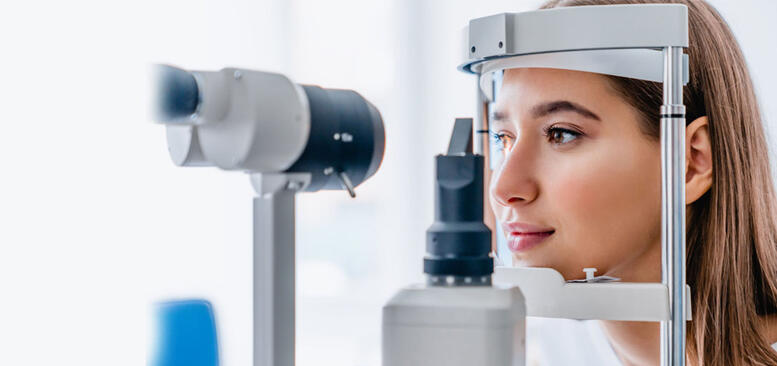
When it comes to maintaining good health, our eyes often don’t get the attention they deserve. Yet, they play an essential role in how we experience the world. For serious eye conditions or complex problems, general care won’t suffice. This is where ophthalmologists step in. These medical and surgical specialists dedicate their expertise to safeguarding and improving vision. Understanding their role can help you prioritize your eye health and seek the right care when needed.
What Does an Ophthalmologist Do?
Ophthalmologists are medical doctors who specialize in diagnosing, treating, and preventing eye diseases. Unlike optometrists or opticians, they undergo extensive training, including medical school and specialized residency programs, to develop both their medical and surgical skill sets. This equips them to tackle a wide range of eye issues, from prescribing corrective lenses to performing intricate surgeries.
Their work covers a broad spectrum of care. For example, they diagnose diseases like glaucoma, cataracts, and macular degeneration. They also treat infections, injuries, and conditions like diabetic retinopathy. Additionally, they conduct vision tests, prescribe glasses or contact lenses, and provide pre-and post-operative care for eye surgery.
Common Reasons to See an Ophthalmologist
While routine eye exams can often be handled by an optometrist, certain situations specifically require the expertise of an ophthalmologist. Here are some common reasons why someone might seek their help:
1. Chronic Eye Conditions
If you have ongoing eye problems, such as severe dry eye, glaucoma, or unmanageable vision problems, an ophthalmologist can provide advanced treatments and therapies.
2. Vision Changes
Sudden or significant changes in your vision, such as blurred or double vision, might signal a serious condition. An ophthalmologist can perform detailed tests to determine the root cause.
3. Eye Injuries
Trauma or injury to the eye can have long-term consequences. An ophthalmologist ensures that the damage is assessed and treated properly to minimize complications, whether it’s a scratch on the cornea or a deep wound.
4. Surgery Needs
Procedures like cataract removal, retinal repair, or LASIK eye surgery fall under the expertise of ophthalmologists. Their specialized training ensures that surgeries are carried out safely and efficiently.
Advances Making Vision Care Smarter
New technologies and innovations are redefining how ophthalmologists provide care. Tools such as advanced imaging equipment allow them to detect diseases earlier and improve treatment outcomes. Additionally, specialized software solutions like ophthalmology EMR software are critical in enhancing patient care. These systems streamline medical records, treatment plans, and diagnostic details, allowing ophthalmologists to manage cases more effectively and focus on what matters most: patient care.
Why Early Detection Matters
One of the key benefits of seeing an ophthalmologist is the early detection of eye diseases. Many conditions, including glaucoma and diabetic retinopathy, develop gradually and may not show symptoms in their early stages. Regular checkups with an ophthalmologist can catch these issues early, significantly reducing the risk of vision loss.
For example, macular degeneration, a leading cause of blindness in older adults, can sometimes be slowed down with timely intervention. Even in cases of cataracts, early diagnosis allows for planning the appropriate treatment before the condition worsens. The sooner issues are identified, the higher the chances of preserving vision and quality of life.
Promoting Healthy Vision at Any Age
Eye health isn’t just a concern for older adults. From children to seniors, everyone can benefit from professional eye care. Eye injuries, inherited conditions, or vision challenges can affect anyone, regardless of age. An ophthalmologist ensures that children with visual impairments start receiving care at a young age, while adults can maintain proper vision as they age. Prevention is equally important, and ophthalmologists often provide guidance on reducing risks for common issues like cataracts or near-sightedness.
Practical Tips for Eye Health
To protect your vision, consider these simple yet effective practices:
- Get comprehensive eye exams based on your age and health risks.
- Protect your eyes with sunglasses that block UV rays.
- Avoid smoking to lower the risk of macular degeneration and cataracts.
- Use protective eyewear during activities that could harm your eyes, such as sports or home improvement projects.
These steps, combined with regular check-ins with an eye care professional, can go a long way in maintaining your vision.
Understanding When to Seek Specialized Care
Knowing when to consult an ophthalmologist can make all the difference in protecting your sight. For instance, if you notice symptoms like frequent headaches, eye strain, light sensitivity, or visual distortions, don’t delay seeking professional advice. Conditions like retinal detachment or optic nerve damage often require immediate attention.
It’s also essential to visit an ophthalmologist frequently if you have a family history of eye diseases. Genetics can play a major role in conditions like glaucoma, and early monitoring could keep them in check. Finally, if you’ve undergone eye surgery or experienced complications in the past, ongoing care with an ophthalmologist is crucial.
Why Specialization Matters in Eye Care
Ophthalmologists are more than just doctors who address vision issues. They play a significant role in keeping your eyes healthy for years to come. Their expertise ensures timely diagnosis, proper treatments, and, if needed, successful surgical outcomes. With their specialized skills and access to advanced tools and technologies, they help patients achieve better vision day after day.
By recognizing the warning signs of eye trouble and taking proactive steps to maintain regular eye exams, you’re giving yourself the best opportunity to protect your sight.
Conclusion
Your vision is too important to take for granted, and consulting an ophthalmologist when necessary can make a significant impact on your overall eye health. Whether for routine care, managing chronic conditions, or handling surgical interventions, they provide the comprehensive support needed for maintaining healthy vision throughout life. Don’t wait until it’s too late to seek out their help. Your eyes deserve the best care possible.
Read More: Gianna Michaels