
Why This One Piece Keeps Showing Up Everywhere
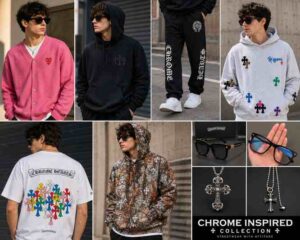
Something happened in streetwear over the past three years, and you can see it on any city sidewalk if you pay attention for ten minutes. The chrome hearts hoodie went from a niche piece worn by Hollywood stylists and rap-adjacent collectors to a wardrobe staple in colleges, coffee shops, and weekend brunches across America. That shift didn’t happen because of a single marketing push or a celebrity drop, and honestly, I think the brand’s relative quiet has only added to its pull. People who buy it tend to keep buying it, then they tell one friend, and the cycle quietly moves on from there. You’re not seeing a billboard campaign behind this growth, which is part of what makes it feel different from the usual hype-cycle pieces. The cross logo, the heavyweight cotton, and the specific way the seams hold their shape after a year of regular wear have all turned into reference points for a generation of shoppers who grew tired of pieces that crack and warp after the third spin in the dryer. My own opinion, since I’ve worked with luxury menswear racks for seven years, is that the brand caught a wave most of its competitors missed because they were too focused on logos rather than fabric. Beyond that, the price tag itself works as a filter, since you don’t drop that much money on a hoodie casually, and the people who do tend to take their clothing seriously enough to push the brand’s reputation forward through word of mouth. Streetwear has always rewarded brands that build slowly, and the chrome hearts model fits that mold almost perfectly, which is why the resale market for older pieces refuses to soften even six or seven years after release.
What the Fabric and Stitching Actually Feel Like
Pick one up in person and the first thing you notice is the weight. A standard chain store hoodie hovers around 280 grams per square meter of cotton fleece, which feels fine in a store but loses its shape after a handful of washes. The pieces in this lineup sit closer to 420 to 480 grams, and that density is exactly why the fabric drapes the way it does over your shoulders without collapsing inward at the chest. The cotton itself is ring-spun, which gives the surface a tighter, smoother hand than what you’d get from open-end yarn, and you can actually feel that difference if you rub the cuff between two fingers. Once you’ve handled a real one, the cheaper alternatives start to feel almost papery by comparison. The stitching deserves its own moment too, since the brand runs double-needle construction on every seam that takes regular stress, which means the hems don’t unravel after twenty wash cycles the way budget streetwear tends to. If you want to see the current spread of styles across the lineup, you can browse the chrome hearts hoodie range to compare cuts, since some run boxier through the body and others sit closer to the torso depending on the drop. One hands-on detail I’ve noticed over time is that the embroidery on the cross patches uses a slightly raised stitch profile, where you can run your thumb across the logo and feel the texture lifting from the fabric base, and that’s the kind of thing knockoff manufacturers cannot match because the equipment cost is prohibitive at the scale they operate. So fabric weight, ring-spun yarn, double-needle seams, and raised embroidery are the four construction signals worth recognizing before you commit to a purchase.
Design Details Worth Checking Before You Buy
Before you spend the money, there are specific details on every authentic piece that tell you whether the construction matches the price tag, and most buyers skim past them on first inspection. After years of working with these pieces on a retail floor and helping clients spot the difference between authentic stock and convincing counterfeits, here’s exactly what I look at first:
- The cross patch embroidery should sit slightly raised from the fabric surface, with thread density tight enough that you can’t see the cotton backing through the stitches.
- The interior tag uses a specific weave pattern with the brand name printed in a clean sans-serif font, and the print should feel slightly textured rather than smooth like a sticker.
- The drawstring cords are flat braided cotton, not the round nylon cord you see on cheaper hoodies, and they sit noticeably thicker than what most brands use.
- The metal eyelets at the hood opening are solid brass with no plating that flakes off, since plated versions show wear within months of regular use.
- The cuff ribbing should snap back after you stretch it, holding its shape rather than sagging loose around the wrist after a single wear.
- The kangaroo pocket sits perfectly centered, with no skew when the hoodie is laid flat on a table, and the opening is reinforced at both edges.
Beyond that, the inside seams get a clean overlock finish so they don’t itch against your skin, which is something budget brands skip almost entirely to save manufacturing time. Once you’ve checked these six points in person, you’ll usually know within a minute whether you’re looking at the real thing or a counterfeit, since the cost of replicating all of them is high enough that most fakes cut corners on at least three of the six.
How One Luxury Hoodie Quietly Rebuilds Your Whole Rotation
Once you slot a serious luxury hoodie into your weekly rotation, something interesting happens to the rest of your wardrobe almost automatically. The pieces around it have to either match the construction quality or get pushed to the back of the closet, because wearing a $400 hoodie with a $12 graphic tee creates a visual mismatch that even friends who don’t follow streetwear can spot. So your t-shirts get upgraded over time, your jeans move from fast fashion to mid-tier denim, and eventually you find yourself buying from brands you’d never considered before. This is exactly how the streetwear world has fragmented over the past five years, with buyers building hybrid wardrobes pulled from three or four different labels rather than committing fully to one ecosystem. Some shoppers pick up pieces from brands like mixed emotion for the days they want something with rhinestone or graphic detailing at a friendlier price point, then they save the heavyweight luxury pieces for the days they want a more refined look. The blended-wardrobe approach makes practical sense because rotation distributes the wear across multiple pieces, which means each hoodie lasts longer in your closet and you don’t burn through your most expensive items in the first six months. My own rotation usually holds two heavy pieces and three or four mid-tier ones, and that mix has worked well for me over the past four winters. The honest limitation here, though, is that you can’t realistically build this kind of wardrobe overnight, and trying to do it on credit usually ends with regret rather than satisfaction, so the smarter play is to add one quality piece every season instead of binging four at once and watching the credit card bill the following month.
Where the Chrome Hearts Hoodie Sits Among Luxury Streetwear Peers
People often ask me to compare this lineup against other major luxury streetwear labels, and that comparison gets more useful when you break it down by what each brand prioritizes rather than just by price. After moving through inventory from most of the major names over the past several years, here’s how I’d position these pieces relative to the other heavyweights in this space:
- Construction weight:Chrome Hearts uses heavier cotton than most peer brands, with fabric density usually 30 to 40 percent higher than what you’ll find on a Balenciaga or Off-White hoodie at the same price tier.
- Logo treatment:The brand favors embroidered or patched logos rather than large screen prints, which holds up better over years of wear but reads quieter from across a room.
- Cut philosophy:The fits run slightly more conservative than what you’d see from Rhude or Palm Angels, sitting closer to a classic American sweatshirt silhouette with a moderate drop shoulder.
- Color palette:Chrome Hearts leans on black, deep red, and washed greys, with occasional pops of color, rather than the seasonal pastels common at brands chasing trend cycles.
- Hardware quality:The eyelets, zippers, and patches use heavier-gauge metal than nearly any peer brand, which adds weight in your hand and also adds durability over time.
- Resale behavior:Pieces from this label hold value remarkably well on secondary platforms, often retaining 70 to 85 percent of retail even three years after release, while many peer brands lose half their value within twelve months.
Each of these positioning points matters depending on what you’re buying for, since someone shopping for a daily wear piece weighs construction differently than someone buying for occasional statement use, and the right brand fit depends on which side of that line you sit on.
Sizing, Fit, and the Styling Moves That Actually Work
Sizing catches a lot of buyers off guard the first time, because the brand cuts most of its pieces with a moderate drop shoulder and a slightly boxy body, which means a size medium fits closer to a traditional large from most American mall brands. So if you’re between sizes, most regulars recommend going down one rather than up, especially for the standard pullover styles, although the zip-up versions tend to run slightly truer to size because of how the zipper structure pulls the front panels together. For styling, the cleanest move I’ve seen across hundreds of fittings is to pair the heavier hoodies with straight-leg or slightly tapered denim in a darker wash, since the proportion balance works without needing any other statement piece on the outfit. Layering under an open jacket, especially a leather moto or a denim trucker, also works well because the hood naturally sits over the collar without bunching up awkwardly at the back of your neck. The shoes you pick matter more than people realize too, since chunky sneakers like the New Balance 990 or a classic Air Force 1 land better than slim runners under a heavyweight hoodie because the proportions stay balanced from top to bottom. Honestly, I’d skip skinny jeans entirely with these pieces, since the silhouette mismatch makes the hoodie look oversized in a way that doesn’t read intentional. For accessories, less usually wins, with a single silver chain or a clean watch doing more for the look than stacking multiple pieces on top of the embroidered logo, because the hoodie already carries the visual weight and adding more competes with it instead of complementing it the way most buyers assume layered accessories will.
The Wider Luxury Streetwear Pull and Why People Cross Brands
Most committed streetwear buyers don’t stick to one label, and that crossover behavior has become more pronounced over the past two seasons as labels have started filling specific niches rather than trying to be everything at once. So a buyer might pick up Chrome Hearts hoodies for cold-weather pieces, then move to a different brand for jeans, then to a third for outerwear, building a kind of curated rotation from across the luxury streetwear space. Brands like amiri have built strong reputations specifically for denim work, with their distressed and embellished jeans pulling buyers who want statement-grade pants to balance out quieter top pieces. That crossover thinking is why the brand-loyalty model that worked through most of the 2010s has largely broken down at the higher end of streetwear, with most committed buyers now holding pieces from four to six different labels rather than committing exclusively to one ecosystem. The practical reason is simple, since no single label currently makes the best version of every piece category, and buyers who recognize that get better outfits by mixing rather than locking in. The downside, though, is that this kind of cross-brand wardrobe requires more research and more rotation discipline, since each brand has different sizing, different care requirements, and different aesthetic codes that need to balance against each other rather than fighting for attention. Once you’ve worked through that learning curve, the wardrobe ends up more flexible and more interesting than what a single-brand buyer can build, but the first year of cross-brand buying usually involves at least a few pieces that don’t blend well together, and most people end up reselling or donating those mistakes before they figure out their personal aesthetic across the space.
The Honest Trade-offs Nobody Mentions in Product Reviews
Most reviews on luxury streetwear quietly skip the awkward parts of the buying experience, but you deserve to know them before you spend the money. The first trade-off is that authentic pieces have inconsistent retail availability, with most styles selling through quickly at flagship stores and reselling at significant markups on secondary platforms. So you’ll either pay close to retail by being patient and tracking restocks, or you’ll pay 50 to 200 percent over retail to skip the wait and buy resale, which makes the actual cost of ownership higher than the sticker price suggests at first glance. The second trade-off relates to care, since the heavyweight cotton requires cold washing on a gentle cycle to preserve the shape, and machine drying on high heat will shrink the body length within two washes, sometimes irreversibly. So your laundry routine has to adapt to the wardrobe rather than the other way around, which sounds minor but adds friction to busy weeks when you’d rather toss everything in together. The third honest issue is that the brand polarizes people, with some seeing the cross motif and assuming pretension, and others reading the price tag and assuming wastefulness, so wearing the pieces in certain professional settings or family environments creates social friction that quieter brands wouldn’t trigger at all. None of these trade-offs are deal-breakers, and most regular buyers consider them part of the package they signed up for when they first invested. Still, going in with realistic expectations matters more than going in expecting a piece that solves every wardrobe problem at once. The reality is that a well-made hoodie is still just a hoodie at the end of the day, and your closet works best when the expensive pieces sit alongside everyday workhorses rather than trying to replace them entirely.
Final Words
The chrome hearts hoodie phenomenon makes more sense once you stop looking at it as a single product and start seeing it as a marker for how the luxury streetwear market has evolved over the past decade. Buyers want construction quality they can feel, design choices that don’t scream for attention, and pieces that hold their shape and value over multiple years of regular use. The brand happens to deliver on all three of those points well enough that the price tag stays defensible for the people who actually wear the pieces frequently. So if you’re considering your first purchase, my honest take is to handle one in person before committing, since the weight and the stitching matter far more than any product photography can convey on a screen. If the in-person experience matches what you’ve read, the piece will probably earn its space in your rotation for years. If it doesn’t, no amount of social proof or resale value should push you into a buy that doesn’t feel right when you’re holding it in your own hands.
Frequently Asked Questions
Q1. How do I tell if a chrome hearts hoodie is authentic? Check the cross patch embroidery for raised stitch texture, the inside tag for the correct sans-serif font and slightly textured print, and the eyelets for solid brass construction without flaking plate. If three of those six checks fail, you’re looking at a fake.
Q2. What size should I order if I usually wear a medium? Most regulars recommend ordering one size down from your usual American mall-brand size, since the cuts run slightly boxy through the body. Zip-up styles run closer to true to size because the zipper pulls the front panels tighter.
Q3. How should I wash a heavyweight luxury hoodie? Use cold water on a gentle cycle, turn the piece inside out before washing, and air dry flat instead of machine drying. High heat will shrink the cotton noticeably within two or three cycles, and sometimes the damage is permanent.
Q4. Why does this brand hold resale value better than peers? Limited production runs, heavy construction quality, and a buyer base that treats pieces as long-term wardrobe investments rather than seasonal items combine to keep secondary market prices high across most styles, even years after the original release.
Q5. Can I wear it to a professional office? That depends on your workplace culture. In creative or relaxed offices the pieces work with dark denim and clean sneakers, while traditional corporate environments will read them as too casual regardless of price tag or brand name.
Read More: What Is Pattie Petty Doing Now