
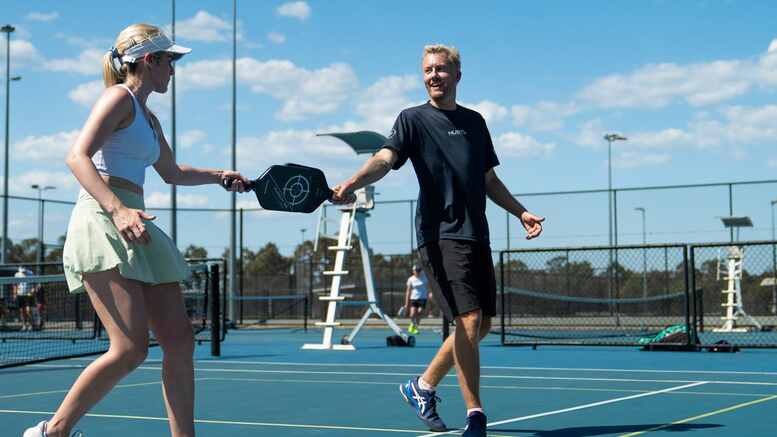
Pickleball is more than just a game; it is a social phenomenon that has taken the world by storm. Known for its accessibility and fast-paced nature, this sport has successfully bridged generational, socioeconomic, and skill gaps like few others. Beyond the paddles and nets, pickleball is a thriving community where individuals bond, connect, and grow. Here, we explore how this beloved sport fosters connection, inclusivity, and community.
What Makes Pickleball Unique?
Pickleball is designed for accessibility, combining elements of tennis, badminton, and table tennis. Played on a compact court, the game is straightforward to learn but keeps seasoned players engaged with its strategic gameplay. This unique balance makes it appealing to participants of all ages and abilities, creating a melting pot of diversity on and off the court.
From young children trying their hand at the game to retirees seeking active pastimes, pickleball welcomes everyone. Its smaller court and slower-paced nature compared to sports like tennis ensure players of varying fitness levels can enjoy the game equally. This inclusivity is key to its community-building power, encouraging participation without intimidating newcomers.
Inclusivity Through Sport
Perhaps one of pickleball’s greatest achievements is its ability to include everyone. Unlike many sports that may skew toward specific demographics, pickleball sits at the intersection of accessibility and fun. Communities practicing this sport often feature a mix of ages, professions, and cultures, all united by their love for the game.
This diversity nurtures mutual respect and cooperation, as more experienced players often mentor beginners, sharing tips and encouragement. Pickleball courts have become meeting points where strangers become friends, reinforcing the powerful social aspect of the game. You don’t need expensive equipment or extensive training to get started, making it an easy entry point into recreational sports.
The Role of Pickleball in Building Local Communities
Pickleball has a unique way of transforming local areas into tight-knit communities. Public parks and recreation centers hosting pickleball games often find themselves bustling hubs of activity. The casual nature of the games encourages interaction, whether it’s chatting between sets or organizing friendly matches.
Local tournaments also play a significant role in fostering unity. Events like the Springfield, Illinois pickleball tournament draw players and spectators together, offering a platform to celebrate the sport while building camaraderie. Beyond competition, these gatherings often serve as opportunities for education, inspiring new members to join and learn.
Bridging Generational Gaps
One of Pickleball’s standout qualities is its ability to bring multiple generations together. Grandparents, parents, and children can often be found enjoying a game side by side. This intergenerational engagement fosters understanding and mutual appreciation, as younger players learn from older participants and vice versa. Such interactions strengthen family ties and reduce age-related barriers, a rarity in today’s fast-paced world.
Pickleball’s role in bridging generational gaps extends to fostering respect for the wisdom and experiences of older players while energizing them with the enthusiasm of youth. It’s a two-way street of learning and connection that enriches everyone involved.
Physical and Mental Benefits Beyond Community
While the social aspect of pickleball often takes center stage, its physical and mental benefits should not be overlooked. The sport offers a moderate-intensity workout that improves cardiovascular health, agility, and muscle coordination. Regular participation keeps players active and engaged, a particularly vital benefit for older adults looking to maintain their fitness in a fun, non-intimidating environment.
On the mental side, pickleball requires strategic thinking, quick decision-making, and hand-eye coordination. These elements sharpen the mind, reducing stress and enhancing cognitive function. Pair these benefits with the bonding opportunities it creates, and it’s no wonder pickleball is hailed as a sport for the body, mind, and soul.
How to Get Started with Pickleball
If you’re curious about joining this growing community, getting started with pickleball is simpler than you might think. Visit your local park or community center to see if they offer open games or lessons. Most courts welcome walk-ins, providing paddles and balls for newcomers. Joining a recreational league or club can also help you connect with others who share your interests.
By attending community events or tournaments, you’ll meet other players eager to share their passion for the game. While individual achievements are celebrated, pickleball’s inclusive spirit ensures the focus remains on teamwork and fun.
Join the Movement
Pickleball is more than an entertaining pastime; it’s a vehicle for connection and inclusivity. It provides an avenue to bond with neighbors, meet new friends, and even build relationships across generations. From its local gatherings to larger events, pickleball thrives not just as a sport but as a vibrant, welcoming community.
Why not take the first step and see how this sport can bring joy to your life? Grab a paddle, step onto the court, and immerse yourself in this growing community. Whether you’re a seasoned athlete or a curious beginner, there’s a place for you in the world of pickleball.
Read More: What is Joss Whedon Doing Now