When it involves creating multi-material components inside the manufacturing world, huge names always come up—Overmolding and Two-Shot Molding. Both procedures bond or join substances, frequently combining rigid and soft plastics for higher functionality and comfort.
Still, these two aren’t interchangeable. They serve exceptional desires, involve special strategies, and include precise pros and cons.
In this study, we’ll dive deep into an Overview of Overmolding & Two-Shot Molding, break down how each works, and help you determine which method makes the most sense in your next project.
What Is Overmolding?
A Simple, Two-Step Process
Overmolding is a manufacturing procedure wherein one material is molded over another. It’s usually accomplished in ranges:
The base part (known as the substrate) is molded first using traditional injection molding.
Then, it’s positioned into every other mould in which a second material is injected over or around it.
You may’ve seen overmolded parts in gadgets like toothbrush handles or energy tools. That soft grip? That’s an overmolded layer on top of a hard plastic middle.
Key Benefits of Overmolding
- Improved grip and ergonomics
- Added electricity and shock resistance
- Better sealing or waterproofing
- Enhanced aesthetics
Overmolding is widely utilized in consumer electronics, scientific gadgets, automobiles, and gear.
What Is Two-Shot Molding?
A One-Machine, One-Cycle Solution
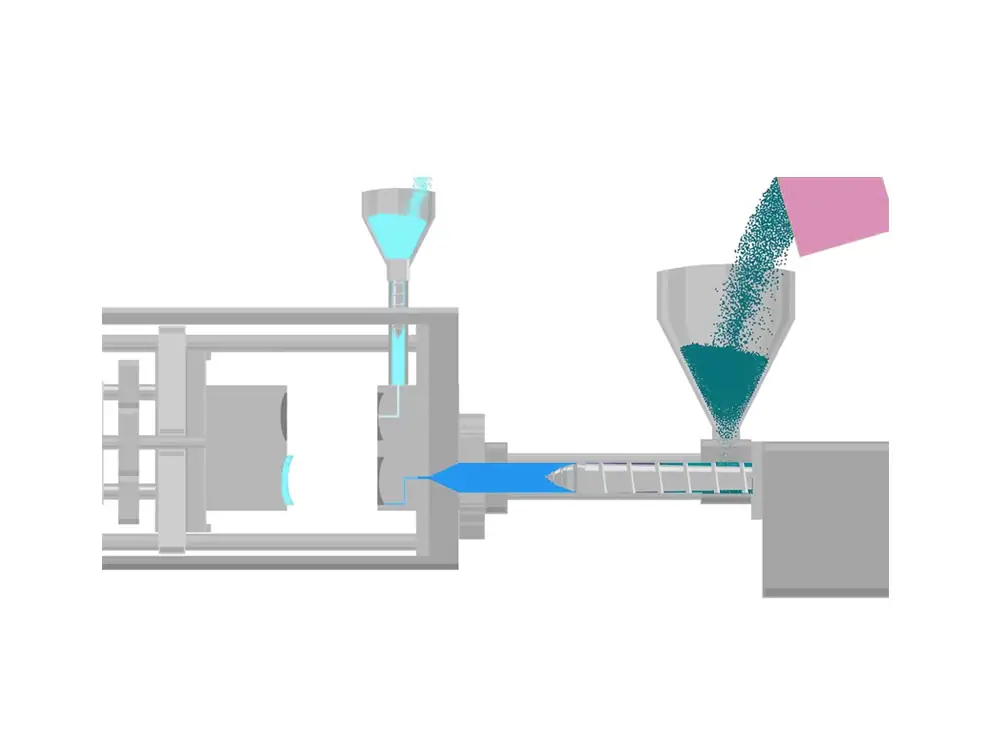
Two-shot molding, or multi-shot molding, is a system where materials are injected into the same mold for the duration of a single machine cycle.
This calls for a specifically designed injection molding system to manage materials immediately. It’s all accomplished in a single setup—no need to switch the element among machines like in overmolding.
Think of two-shot molding as a more computerized, specific model of overmolding.
Common Uses
This process is best for complicated elements that want distinct material residences in a single compact unit. You’ll locate it in products like:
Phone buttons
Medical additives
Dual-shade automotive switches
Overmolding vs Two-Shot Molding: Key Differences
Let’s look at how those two stack up in opposition to each other in various areas.
1. Process Complexity
Overmolding makes use of separate molding cycles and sometimes two one-of-a-kind machines.
Two-shot molding uses a single cycle and a specialized mold to do each picture in one go.
2. Production Speed
Overmolding is slower because of the two-step technique.
Two-shot molding is quicker and more efficient for high-volume runs.
3. Precision and Bonding
Overmolding relies on floor adhesion or mild mechanical bonding.
Two-shot molding gives higher bonding because the substances are injected while still warm.
4. Tooling Costs
Overmolding has lower upfront tooling expenses.
Two-shot molding requires more highly-priced tooling and advanced equipment.
5. Part Design
Overmolding permits greater flexibility in component geometry.
Two-shot molding works fine for symmetrical or well-aligned designs.
When Should You Choose Overmolding?
Overmolding is right for:
- Low to medium manufacturing volumes
- Products requiring smooth grips or shock absorption
- Projects desiring easy part geometry
It’s also a tremendous pick when operating with materials that aren’t compatible in a single mold setup or when trying to reduce preliminary tooling charges.
When Should You Choose Two-Shot Molding?
Two-shot molding is your cross-to while:
- You’re aiming for high-volume manufacturing.
- Part precision and material bonding are crucial.
- The design requires twin-colour components or complex internal structures.
One fantastic example? A scientific tool that features a clear plastic window fused to a tender, flexible frame, completed with tight tolerances.
Here’s where our anchor comes in: in case you’re seeking high-efficiency, precise results, keep in mind using a Two-shot Injection Molding Service to streamline your production and ensure consistent quality.
Material Compatibility: The Big Decider
Material compatibility is one of the most crucial factors when selecting those strategies.
In overmolding, the second material has to adhere well to the substrate, commonly a mixture like TPE over ABS.
Both materials should be capable of floating and funky collectively without warping or breaking apart in shot molding.
If your preferred substances don’t play properly in a single molding cycle, overmolding is your better wager.
Cost Considerations
Let’s not forget about the budget.
Overmolding typically costs more effort and time but much less in tooling.
Two-shot molding has high up-front tooling expense butt lowers long-term manufacturing expenses with velocity and automation.
If you are constructing a product for mass-market retail, shot molding could save you massive dollars. For prototyping or smaller batches? Stick with overmolding.
Final Thoughts
So, which one wins overmolding vs two-shot molding?
The truth is, neither is “better” normal. It all relies on your:
- Production quantity
- Material preference
- Part complexity
- Tooling price range
Both techniques offer exquisite methods for combining materials into long-lasting, beneficial, attractive components.
If you want a soft grip, water-resistant seal, or aesthetic improvement on a primary element, go with overmolding.
If you’re running large-scale manufacturing and need speed, precision, and notable bonding, then shot molding is the way to go.
Need assistance selecting? A consultation with an experienced mildew producer lets you weigh expenses and compatibility.
Read More: Georgina Rodríguez