Handling abrasive materials is by no means easy. Whether in mining, dredging, or industrial processing, the job demands a dependable system. That’s where slurry hoses come into play. They are the lifeline for transporting stable-liquid combos—slurries—from one point to any other, appropriately and effectively.
So if you’ve been wondering what precisely slurry hoses are, how they work, and what makes them different from regular business hoses, you’re in the right place.
Let’s break it down in simple, sensible terms. To dive deeper into this topic, read more.
What is a Slurry Hose?
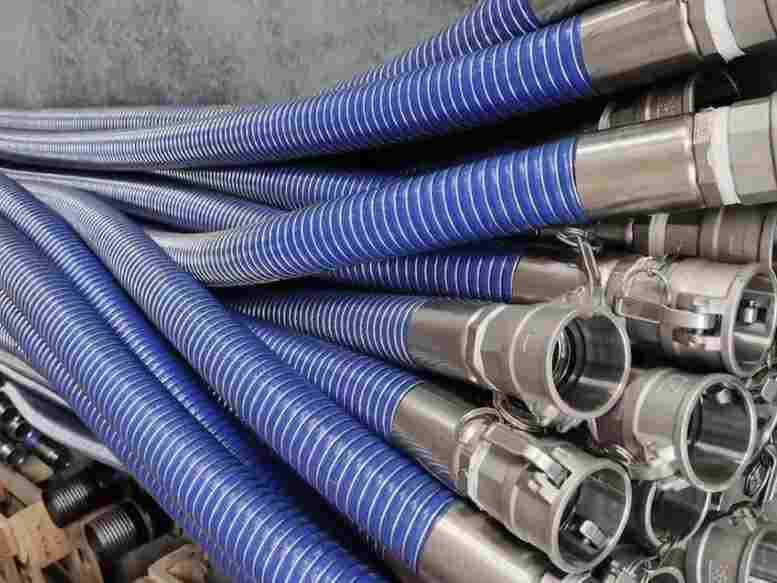
A slurry hose is a versatile, long-lasting rubber hose explicitly designed to hold slurries—combos of solids and liquids. These may be something from sand and gravel to mining tailings and cement.
The key here is abrasion resistance. Unlike water or air hoses, slurry hoses are constructed to address hard, gritty, and frequently surprisingly corrosive substances.
They are usually utilized in:
- Mining operations
- Dredging programs
- Cement flora
- Steel generators
- Power generation facilities
Wherever there is a need to move excessive-density substances, slurry hoses are essential.
Why Not Use Regular Hoses?
Great query. You may assume, “A hose is a hose, right?”
Wrong.
Here’s why slurry hoses are exceptional:
1. High Abrasion Resistance
The internal lining is a product of herbal rubber or synthetic compounds like neoprene. These substances can cope with the regular grinding of sand, rocks, and minerals.
2. Flexibility with Strength
Despite their rugged construction, slurry hoses continue to be bendy. It can be bent or curved around a barrier on the outside without dropping off.
3. Pressure and Vacuum Handling
They’re designed to face up to each internal stress and vacuum conditions. This twin-resistance makes them dependable in complex environments.
Key Components of a Slurry Hose
Let’s observe the primary shape. A correct slurry hose typically has:
Inner Tube
Made of wear and tear-resistant rubber to shield against abrasion.
Reinforcement Layer
This layer typically consists of textile or metallic cords to offer the hose power and save you from bursting under stress.
Outer Cover
The outdoors is built to withstand environmental factors like UV rays, chemicals, and rough weather.
Together, those layers shape a durable and flexible hose built to remain, even in the cruelest running situations.
How Long Do Slurry Hoses Last?
That relies upon how and where they’re used. In an extreme-wear mining software, a slurry hose might last several months. In lighter responsibility applications, it can move for a year or more.
To improve the lifestyle of your house:
- Install it well with minimum bends.
- Inspect regularly for wear and damage.
- Use proper couplings and fittings.
If you’re sourcing bulk or customized options, working with a good slurry hose manufacturer who is familiar with your application and gives the proper answers is always exceptional.
Where Slurry Hoses Make a Difference
1. Mining and Quarrying
From transporting ore to doing away with waste, mining relies closely on slurry hoses. Their abrasion resistance is a must in these gritty, high-impact surroundings.
2. Dredging Projects
In dredging, sand and debris are pumped through long hose runs. The flexibility and toughness of slurry hoses are key to ensuring operations run smoothly.
3. Industrial Processing
In cement plant life and chemical factories, hoses often need to handle a combination of abrasive and corrosive substances. This is where the chemical resistance of modern slurry hoses is priceless.
How to Choose the Right Slurry Hose
Every application is unique. When selecting a slurry hose, recall the subsequent elements:
A. Material Type
What kind of slurry are you coping with—gravel, sand, chemicals? Choose a hose that suits the wear and chemical profile of the substances.
B. Size and Length
Ensure the inner diameter and duration of your device. Undersized hoses can create stress buildup, and at the same time, outsized ones can reduce efficiency.
C. Pressure Rating
Make sure your hose can handle the working strain of your system. This includes both advantageous and poor strain (vacuum).
D. End Connections
Hoses can include flanged ends, short couplings, or custom fittings. Pick what works exceptionally for your workflow and setup.
Care and Maintenance Tips
You spent appropriate money on your system—why now not keep it running longer?
Flush the hose often to prevent buildup.
Store it nicely whilst not in use—hold it out of direct sunlight and away from sharp objects.
Inspect the hose often for cracks, swelling, or wear.
Replace worn-out elements like couplings or damaged linings immediately.
These easy steps go a long way in protecting your investment.
Final Thoughts
In any heavy-responsibility operation, the small things are counted, and hoses are no exception. A failed slurry hose can bring production to a grinding halt, cost cash, and even pose protection risks.
So whether or not you are in mining, dredging, or industrial processing, using an extraordinary slurry hose isn’t a luxury—it’s a necessity.
And when it’s time to buy, you usually turn to a dependable slurry hose manufacturer who is familiar with your needs and provides answers tailored to your final needs.
Because cutting corners isn’t an alternative in this line of labor.
Read More: Who is Ariana Grande?