
Buying your first trailer is about more than utility—it impacts your budget, safety, and future adventures. Whether you need a hauler for trips, an upgrade for your business, or an easier way to move equipment, choosing the right trailer takes careful planning. This guide provides a simple checklist to help you make the right choice.
Know What You Need Before You Buy
Not all trailers are built the same, and not everyone needs the same kind of trailer. The first and most important step is honestly assessing your unique requirements.
Consider Your Vehicle’s Towing Capacity
Check your vehicle’s manual or manufacturer website for its maximum towing capacity. This figure determines the heaviest trailer, plus its cargo, you can tow safely. Exceeding this capacity puts extra stress on your engine, transmission, brakes, and suspension, and can be a major safety hazard.
- Tip:Remember, towing capacity includes EVERYTHING in the trailer, not just the trailer itself.
- Example:If your SUV’s towing limit is 3,500 lbs and the trailer weighs 1,000 lbs, you have 2,500 lbs left for cargo.
Think About Usage Frequency and Purpose
Is your trailer for occasional weekend getaways or will it be in daily use for work? If it’s only a few times a year, you might prioritize affordability over heavy-duty features. For regular use, durability and low-maintenance components should top your list.
- Frequent users:Look for strong frame construction, corrosion resistance, and ease of maintenance.
- Occasional users:Focus on models with solid warranties and flexibility.
Match Trailer Size to Cargo
Measure what you plan to haul. Oversized trailers bring unnecessary costs and are harder to maneuver or store. Small trailers can’t always be upgraded or extended if your needs change.
- Pro tip:Lay out your largest expected cargo (like that riding mower or dirt bikes) before shopping.
Compare the Main Trailer Types
Your purpose and towing capacity guide which category to start with. Here are the most common options and what you should weigh with each.
Utility Trailers
Lightweight and versatile, utility trailers are open and suitable for lawn equipment, ATVs, or moving furniture. They’re affordable and simple to use, but offer zero weather protection for your cargo.
Pros
- Easy to load and unload.
- Less expensive compared to specialty trailers.
Cons
- No security from theft unless you add locks.
- Cargo is exposed to elements and road debris.
Enclosed Trailer
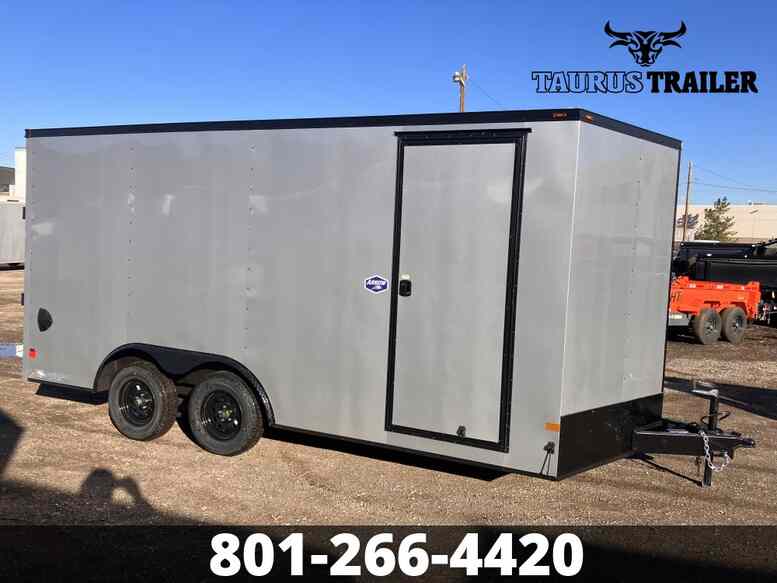
If you need weather resistance or plan to transport valuable gear, an enclosed trailer, like those offered in Utah, could be your best bet. They keep contents dry and secure, but they’re heavier and usually more expensive.
Pros
- Cargo stays dry and safe.
- Can double as storage or workspace.
Cons
- Heavier; may require a larger vehicle to tow.
- More costly upfront.
Specialty and Flatbed Trailers
Car haulers, boat trailers, and flatbeds serve specialized needs. They work well for hauling vehicles or heavy, bulky materials.
- Specialty trailers may need extra licensing or have specific tire or lighting requirements.
- Flatbeds offer little protection for cargo but are easy to load from any angle.
Look For Must-Have Features That Make a Difference
No matter which design you choose, certain features are essential for safety, ease of use, and longevity.
Brakes
Many states require brakes on trailers above a certain weight (usually 3,000 lbs or more). Even if yours is lighter, brakes offer a major safety upgrade, making stops shorter, especially with heavy loads.
- Electric brakesoffer more control but need compatible wiring.
- Surge brakes(hydraulic) are simple to use but offer less control for frequent haulers.
Tires
Trailer tires matter more than you think. They must be sized for the trailer and properly rated for its load. A blowout with a loaded trailer can end a trip and cause accidents.
- Check for new, high-quality tires (look at the DOT date for age).
- Consider carrying a spare jack, and tool kit for emergencies.
Lighting
Federal law requires all trailers to have specific, working lights (brake, turn signals, side markers). Make sure they’re bright, reliable, and in working order before heading out.
- LED lights use less power and last longer.
- Inspect all wiring for frays or loose connections.
Your Step-by-Step Inspection Checklist
Never purchase a trailer without a thorough inspection. Even trusted dealerships can overlook important details.
Exterior and Frame
- Look for rust, dents, and cracks. Pay close attention to welds and joints.
- Check the condition of paint or protective coatings.
- Inspect the hitch and coupler for cracks or heavy wear.
Suspension and Axles
- Examine leaf springs or torsion axles for damage.
- Wiggle wheels for play (looseness can mean worn bearings).
- Confirm that axles are centered and not bent.
Brakes and Tires
- Check the brake pads and drums for excessive wear if equipped.
- Tires should have deep tread, no weather cracks, and be the right load rating.
Lights and Wiring
- Test all lights, indicators, and brakes.
- Examine harness connections and cables; look for water damage or corrosion.
Interior
- Ensure flooring is solid and free of rot or warping.
- Confirm all doors open, close, and seal tightly.
Cover the Legal Basics Before Hitting the Road
Ignoring this section could result in fines or unsafe operation. Trailer laws are not the same nationwide, so check your state and local requirements.
Registration
Almost every state requires trailers to be registered. This usually involves a title, bill of sale, and VIN inspection. Your dealership can sometimes handle this for you.
Insurance
While not always legally required, insurance is a smart investment for valuable trailers or if you’re frequently hauling. Policies can cover theft, damages, or liability in accidents.
Compliance With Rules
Check whether your chosen trailer requires:
- Additional reflectors or lights for bigger models
- A breakaway safety system (often required for heavier trailers)
- Special licenses or endorsements for larger or commercial units
Conclusion
Buying your first trailer doesn’t have to mean second-guessing every step. By knowing your needs, understanding different trailer types, insisting on crucial features, performing a careful inspection, and staying up to date with registration and insurance, you’ll set yourself up for adventure or business success right away.
Read More: Arlo Sim